
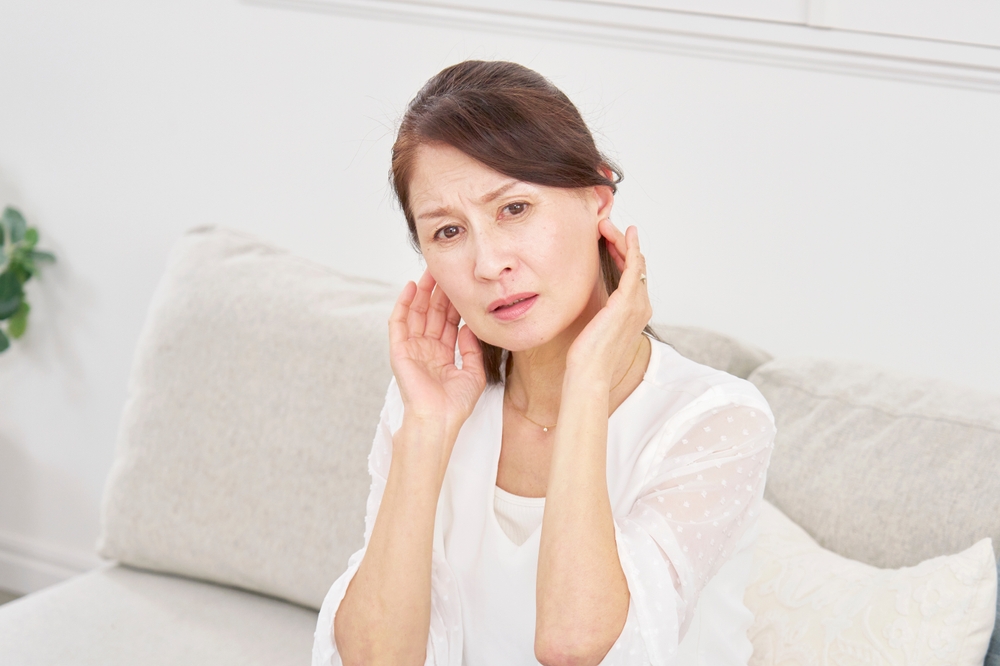
Beginning your morning only to find your hearing has disappeared creates an immediate sense of dread. The experience of dropping auditory function instantly, especially in the lack of pain, is inherently distressing. Certain underlying issues can be transient, yet most forms of sudden loss require an emergency response.
Identifying the frequent catalysts for rapid hearing loss and responding quickly can significantly alter your recovery path. Throughout this guide, we analyze the nature of abrupt hearing loss, its likely origins, and the requirements for professional consultation.
Understanding Rapid Auditory Decline
We define sudden hearing loss as a sharp drop in hearing sensitivity that generally manifests within a seventy-two-hour window. While the majority of patients experience this in one ear, it can occasionally manifest in both at once. Individual experiences vary from clouded hearing and tinnitus to a distinct sense of congestion or vocal distortion.
Sudden Sensorineural Hearing Loss (SSHL)
SSHL is one of the most critical conditions for an audiologist to investigate quickly.
The condition is rooted in physiological issues affecting the cochlea, hearing nerve, or neural pathways. It often develops without a distinct trigger, but possible contributors include:
- Vascular restrictions affecting auditory nerve function
- Heightened inflammation inside the auditory pathways
- Underlying viral activity affecting the ear
- Disruptions in neural signaling
Medical experts classify SSHL as an emergency because immediate therapy improves the chance of complete recovery.
Infection-Based Auditory Loss
Specific viral strains can result in lasting or transient hearing shifts by irritating delicate inner ear tissues.
The following viral conditions are frequently paired with sudden onset hearing issues:
- Viral cold and nasal infections
- Systemic flu-related inflammation
- Herpes viruses
- Viral complications observed in some COVID-19 cases
Auditory symptoms often manifest during the peak of an illness or in the early recovery phase, sometimes with vertigo.
Head or Ear Trauma
Accidental events such as concussions, barotrauma, or high-decibel exposure can compromise the ear’s fragile anatomy.
Common drivers of trauma-induced hearing loss involve:
- Severe head strikes and concussive events
- Abrupt shifts in ear canal pressure
- Acute loud sound exposure
- Physical displacement of inner ear fluids
Minor impacts can still compromise auditory function, particularly if shifts manifest immediately following the event.
Conductive Blockages: The Role of Earwax
Impacted earwax, while simply resolved, can mimic the symptoms of critical sudden hearing conditions.
Earwax-related hearing loss may:
- Manifest with abrupt speed
- Create a distinct sensation of aural congestion
- Primarily impact one ear
- Clear up following the safe extraction of the wax
It is vital to remember that home evaluation is insufficient for determining the true source of sudden deafness. Therefore, seeking a professional clinical opinion is the only safe course of action.
Exploring Secondary Triggers for Hearing Changes
Secondary factors to sudden hearing loss may include:
- Secondary reactions to certain medications
- Circulatory or vascular conditions
- Systemic autoimmune attacks on the inner ear
- Tumors affecting the auditory nerve
Undergoing a full hearing workup is the only way to accurately identify or dismiss these factors.
The Critical Importance of Immediate Intervention
The most crucial takeaway regarding rapid hearing changes is to avoid a wait and see approach.
Immediate audiology testing serves to:
- Pinpoint underlying issues that can be reversed
- Enhance the overall success rate of medical interventions
- Prevent further hearing damage
- Reduce long-term communication challenges
Professional audiological assessments are fundamental in identifying the specific nature of the loss and directing treatment.
Criteria for Emergency Audiology Consultation
Immediate clinical attention is required if any of the following symptoms manifest:
- Abrupt hearing loss in one or both ears
- A loss of hearing accompanied by dizziness or lack of coordination
- Ringing or pressure that appears suddenly
- Auditory decline after illness or injury
Though your hearing may seem to recover partially, a professional check-up is still vital for a full diagnosis.
Utilizing Diagnostics for Fast Hearing Results
Modern testing quickly identifies the exact category of the loss, such as:
- A conductive issue involving the middle ear or auditory canal
- A sensorineural problem involving fragile neural pathways
- Transient or potentially permanent
The sooner testing occurs, the more likely you are to achieve a positive clinical outcome.
Prioritizing Your Auditory Health and Peace of Mind
It is normal to feel panicked by sudden deafness, but immediate professional help offers the best chance for success.
By prioritizing a clinical hearing check-up, you protect both your auditory function and your mental well-being. We are standing by to help manage your sudden hearing changes: Reach out to our team today for priority care.