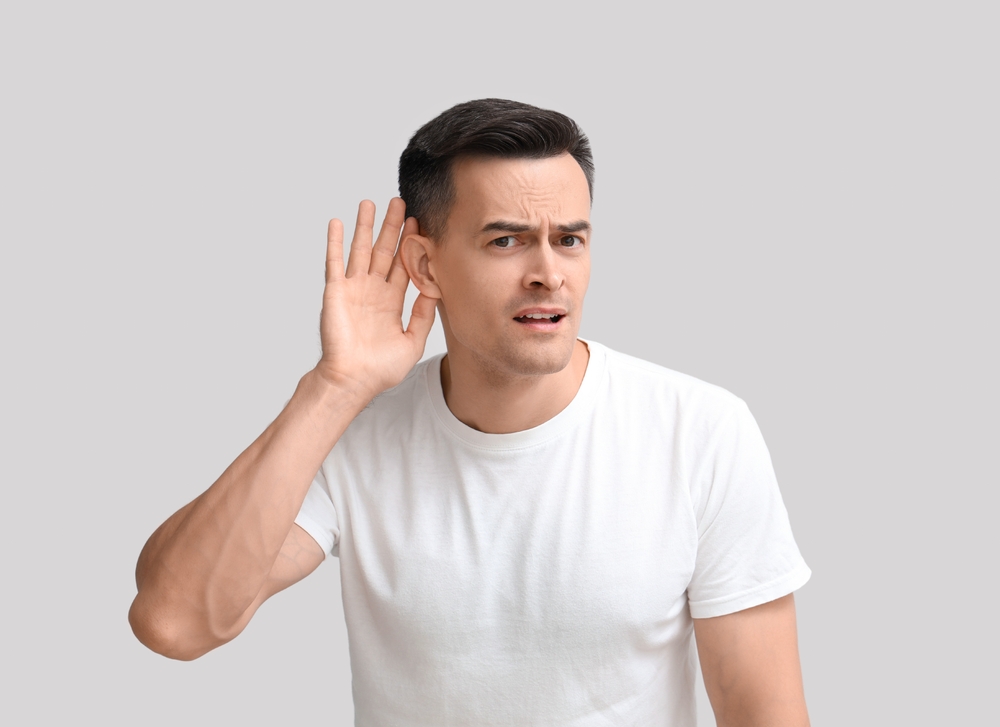
Have you ever felt totally drained after a long conversation or social gathering?
You may assume you’re just tired, stressed, or overwhelmed. It is well-documented that social interaction requires significant energy for introverts and those with sensory integration challenges. Frequently, this specific type of burnout is actually triggered by chronic auditory fatigue.
Essentially, auditory fatigue is the result of the brain over-functioning to compensate for poor sound quality. The brain’s attempt to reconstruct incomplete audio data requires an immense amount of “processing power” and neural energy. Accumulated listening strain eventually manifests as the profound exhaustion associated with auditory fatigue.
Many people mistake auditory fatigue for ordinary tiredness. Critically, this exhaustion is often a primary indicator of underlying auditory pathologies. Undergoing a clinical screening can identify the extent to which hearing loss drives your daily fatigue. If you notice this pattern happening regularly, talk to your provider about determining whether hearing loss is contributing to your symptoms.
Why Your Brain Suffers from Auditory Fatigue
The risk of developing auditory fatigue is increased by several physiological and environmental factors.
The Impact of Unmanaged Hearing Loss
Unmanaged hearing loss stands as a primary catalyst for chronic listening exhaustion.
If the peripheral auditory system fails to deliver clear data, the brain must use context clues to guess the missing information. This constant guesswork increases listening effort, which can quickly lead to mental exhaustion during conversations.
Noisy Environments
High-noise environments significantly exacerbate the symptoms of auditory fatigue. Loud public spaces, corporate boardrooms, and large social gatherings typically feature high levels of competing ambient noise.
Processing concurrent audio streams requires the brain to perform intense “auditory scene analysis” to find the primary speaker. This intensive filtering often leads to cognitive overload, even in patients with “hidden” or sub-clinical hearing loss.
The Role of Tinnitus in Auditory Fatigue
The presence of tinnitus creates a dual-processing burden, forcing the brain to manage both phantom internal signals and legitimate external sound.
Sound distortion caused by hearing loss can further increase strain, forcing the brain to work even harder to understand speech.
Common Signs of Auditory Fatigue
Auditory fatigue can affect both mental focus and overall energy levels. Typical red flags for this condition include:
- Sense of being “wiped out” after a basic discussion
- Inability to maintain attention in multi-person dialogues
- Onset of tension headaches following sustained auditory focus
- Feeling “on edge” or frustrated when trying to follow a conversation
- A tendency to “tune out” or physically leave social gatherings
- Compulsive need for rest after navigating a noisy environment
Frequent presentation of these symptoms is a clear sign of neurological auditory over-exertion.
How the Brain Compensates for Hearing Impairment
With healthy hearing, the brain’s speech recognition pathways operate with high efficiency. Conversely, hearing loss forces the brain to redirect energy from other executive functions to assist in sound decoding.
This state of over-exertion is technically referred to as an elevated cognitive load. It’s where the brain redirects energy from other tasks (like memory and focus) to figure out what someone is saying. This continuous drain on the brain’s “battery” leads to chronic daily exhaustion. Even short conversations may require more concentration than they should.
How a Hearing Test Can Identify the Problem
If auditory fatigue is affecting your daily life, a professional hearing evaluation can help identify the cause. A full audiological exam involves testing your threshold for various frequencies and your word-recognition score. They may also evaluate how well you understand speech in background noise, which can reveal challenges that may not appear in quiet settings.
A comprehensive hearing test can determine whether hearing loss is contributing to your fatigue and help guide the next steps for treatment. Identifying hearing changes early allows treatment to begin sooner, helping reduce listening strain before it begins affecting daily activities and social interactions.
The Benefits of Audiological Rehabilitation
The right hearing treatment acts as a “pressure release valve” for the brain’s processing centers.
High-tech hearing aids do the “heavy lifting” for the brain by isolating and clarifying voices in real-time. Consequently, the brain receives a high-fidelity signal that requires no guesswork or phonemic restoration.
When listening becomes easier, many people notice improvements in:
- Sustained cognitive stamina during the workday
- Focus during conversations
- Reduced anxiety and heightened ease during social events
As the brain stops struggling to hear, the world of sound becomes a source of joy rather than a source of stress.
Is it Time for a Professional Hearing Check?
It may be time to schedule a hearing evaluation if:
- Dialogue leaves you feeling cognitively spent
- Loved ones notice that you frequently require clarification during talk
- You find yourself “guessing” at words in loud settings
- You avoid social situations because listening feels difficult
Seeking prompt audiological care is the most effective way to reclaim your energy and social confidence.
What You Need to Know About Auditory Fatigue
Distinguishing Between Exhaustion and Impairment
There is a difference: the fatigue is the neurological byproduct of the effort to hear. However, hearing loss is one of the most common causes of auditory fatigue.
Can hearing aids reduce listening fatigue?
Yes. By improving sound clarity and reducing background noise, hearing aids can significantly decrease the mental effort required to understand speech.
Can I Recover from Auditory Fatigue?
Typically, this fatigue is transient and resolves once the auditory system is supported by clinical care.
End Your Struggle with Auditory Fatigue Today
Socializing should replenish you, not leave you feeling drained. When simple listening becomes a chore, it is a sign of an inefficient auditory processing loop.
Schedule your hearing test today by contacting us today. Reclaim your social life and your energy by getting the truth about your auditory health today.