
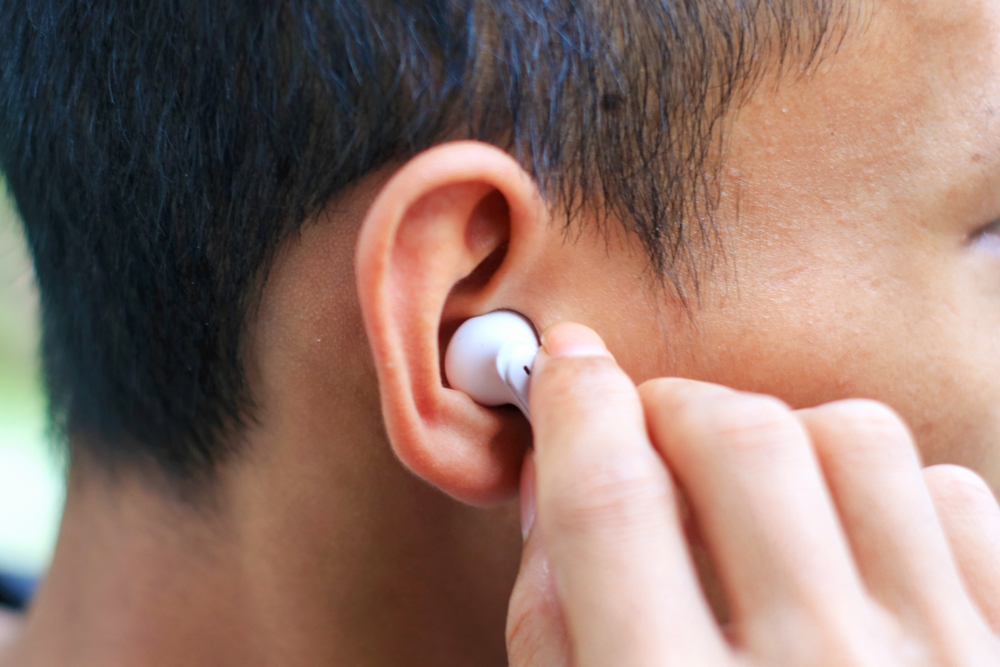
In modern public spaces, the sight of a young person without some form of in-ear audio is rare. While traditional headphones are more substantial in size, adolescents frequently utilize them to create a private acoustic environment. The appreciation for music is a cross-generational trait, yet younger individuals often depend on it for constant background stimulation. Given their intimate position near the eardrum, are these devices a legitimate threat to our hearing? The danger is not inherent to the technology but is instead a product of specific usage habits.
When Healthy Listening Becomes Hazardous
Listening to music can be relaxing, soothe our souls, or wind us up. This subjective experience is dictated by the specific characteristics of the chosen track. Personal audio tech provides a convenient way to consume media without infringing on the silence of those nearby. This behavior is socially beneficial, and commuters often report a preference for this shared auditory boundaries on public transit.
The primary clinical concerns center on the precise limits of sound pressure and the length of the listening session. In reality, excessive sound pressure is universally hazardous to the delicate structures of the cochlea. When you listen for too long a time and at a very loud volume, you can irreparably damage your hearing. Because auditory decline is often a slow, cumulative process, the damage is frequently advanced before symptoms are noticed.
The Biological Impact of High-Intensity In-Ear Audio
The intensity of the decibels is the leading risk factor for permanent auditory trauma. However, the duration of the exposure matters as much as the volume.
- The National Institutes of Health (NIH) recommends listening at below 70 decibels. Even after long exposure, you won’t have any hearing loss.
- Louder noises will cause hearing damage faster than quieter sounds.
- Implement the 60/60 safety protocol by capping volume at 60% and taking a break every 60 minutes.
- You can safeguard your auditory health by reducing device intensity and monitoring your cumulative daily usage.
Warning Signs of Hearing Loss
If you notice muffled speech, struggle with background noise, experience **tinnitus**, or constantly require others to speak up, a professional evaluation is necessary.
Schedule an appointment with our specialists if you believe your auditory health has been compromised.