June 29, 2023

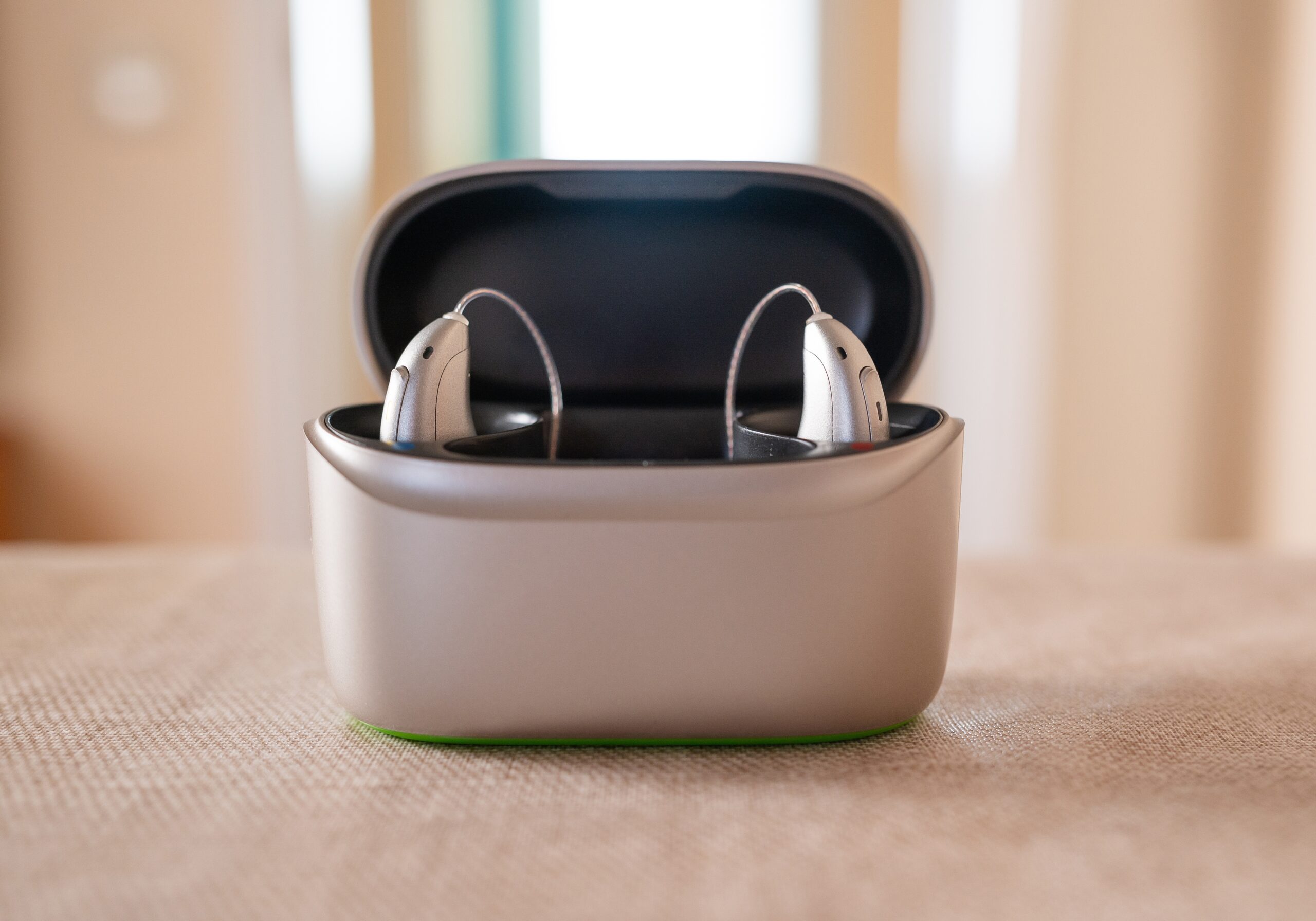
Pair of rechargeable receiver-in-canal hearing aids in an open charging case, for battery life tips from The Hear Care Center in Stuart, FL

Hearing Aid Battery Life: How Long It Lasts and How to Extend It

Hearing aid batteries usually last anywhere from three days to several weeks, depending mainly on usage and battery type. That is a wide range, and knowing where your own devices fall makes it easier to keep them powered when you need them most. At The Hear Care Center in Stuart, FL, audiologist Jami Leventhal, M.A.,
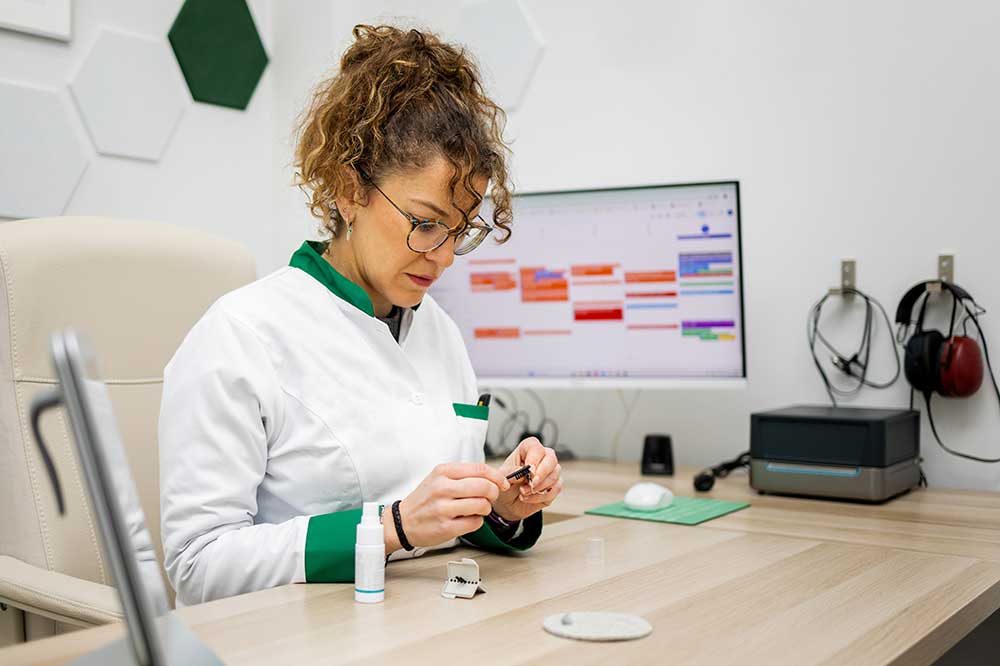
Hearing care professional cleaning a hearing aid at a desk with cleaning supplies, showing hearing aid care at The Hear Care Center in Stuart, FL

How Should You Clean Hearing Aids? A Daily and Weekly Guide

Earwax, skin oils, and Martin County humidity all take a toll on hearing aids, and a little buildup can leave your devices sounding weak. A consistent hearing aid cleaning routine helps keep them working well and prevents the frustration of wax and moisture interfering with sound. At The Hear Care Center in Stuart, FL, audiologist

One Hearing Aid Sounds Different? What It Means and What to Do

When one hearing aid sounds louder, softer, or less clear than the other, conversations can start to feel lopsided. At The Hear Care Center in Stuart, FL, audiologist Jami Leventhal, M.A., and licensed hearing aid specialist Walter Jenkins, HAS, BC-HIS, help patients determine whether the difference comes from maintenance needs, programming, fit, or a change
Clogged Ear but No Wax? How to Find Relief

That plugged-up feeling in your ear can make voices sound distant and leave you puzzled when there’s no earwax to blame. At The Hear Care Center in Stuart, FL, audiologist Jami Leventhal, M.A., and licensed hearing aid specialist Walter Jenkins, HAS, BC-HIS, help patients understand what is behind ear fullness and find the right next
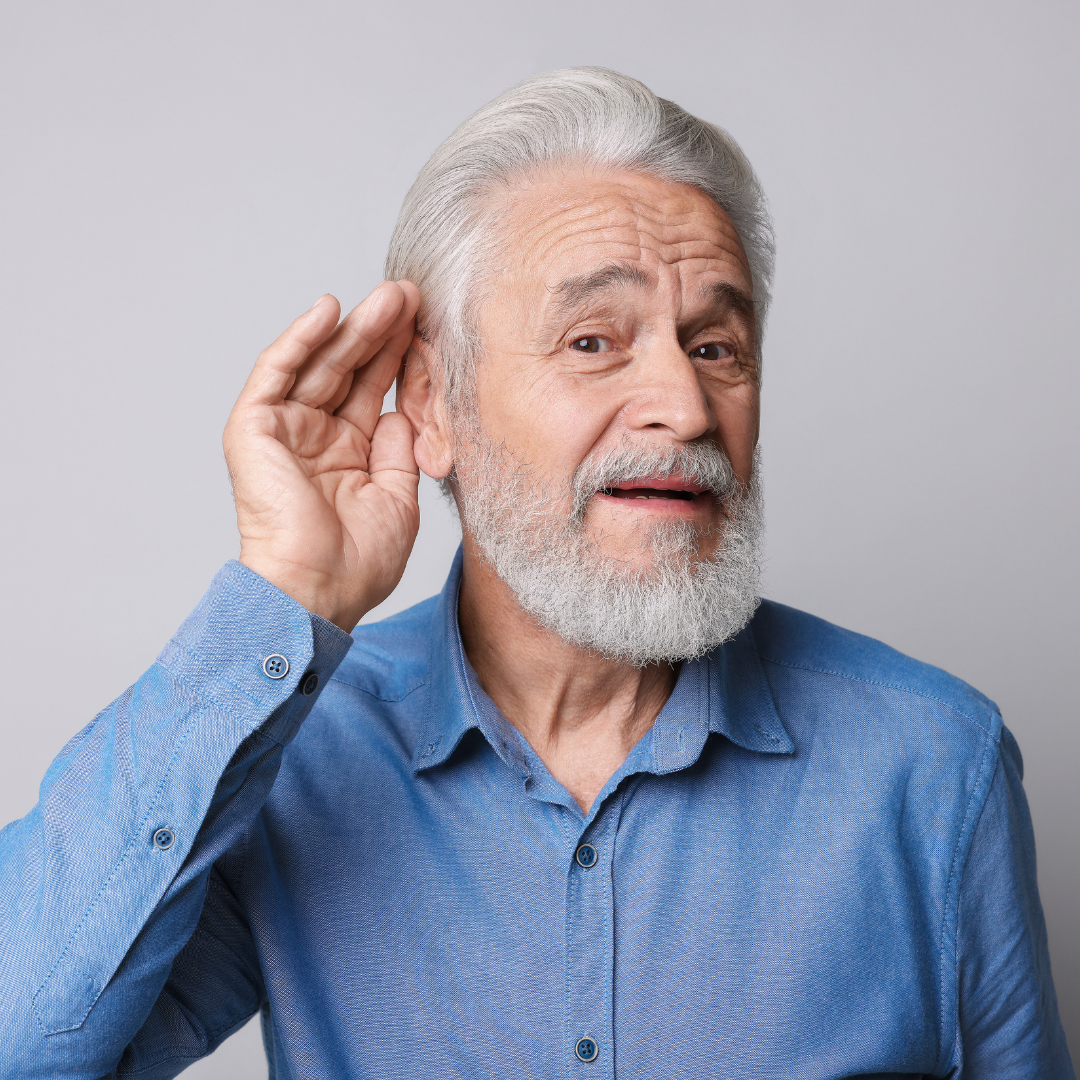
Older man with gray hair and beard, wearing a blue shirt, tilting his head and holding a hand to his ear as if trying to hear better, against a plain light background.

Sudden Hearing Loss in One Ear: Clinical Risks and Emergency Care

Experiencing a rapid decline in hearing in a single ear is a distressing event that creates understandable uncertainty. Our audiology clinic offers prompt diagnostic hearing testing and coordinates emergency medical evaluations whenever sudden hearing changes develop. Sudden hearing loss always requires immediate attention from a hearing specialist to explore treatment or hearing rehabilitation when needed.

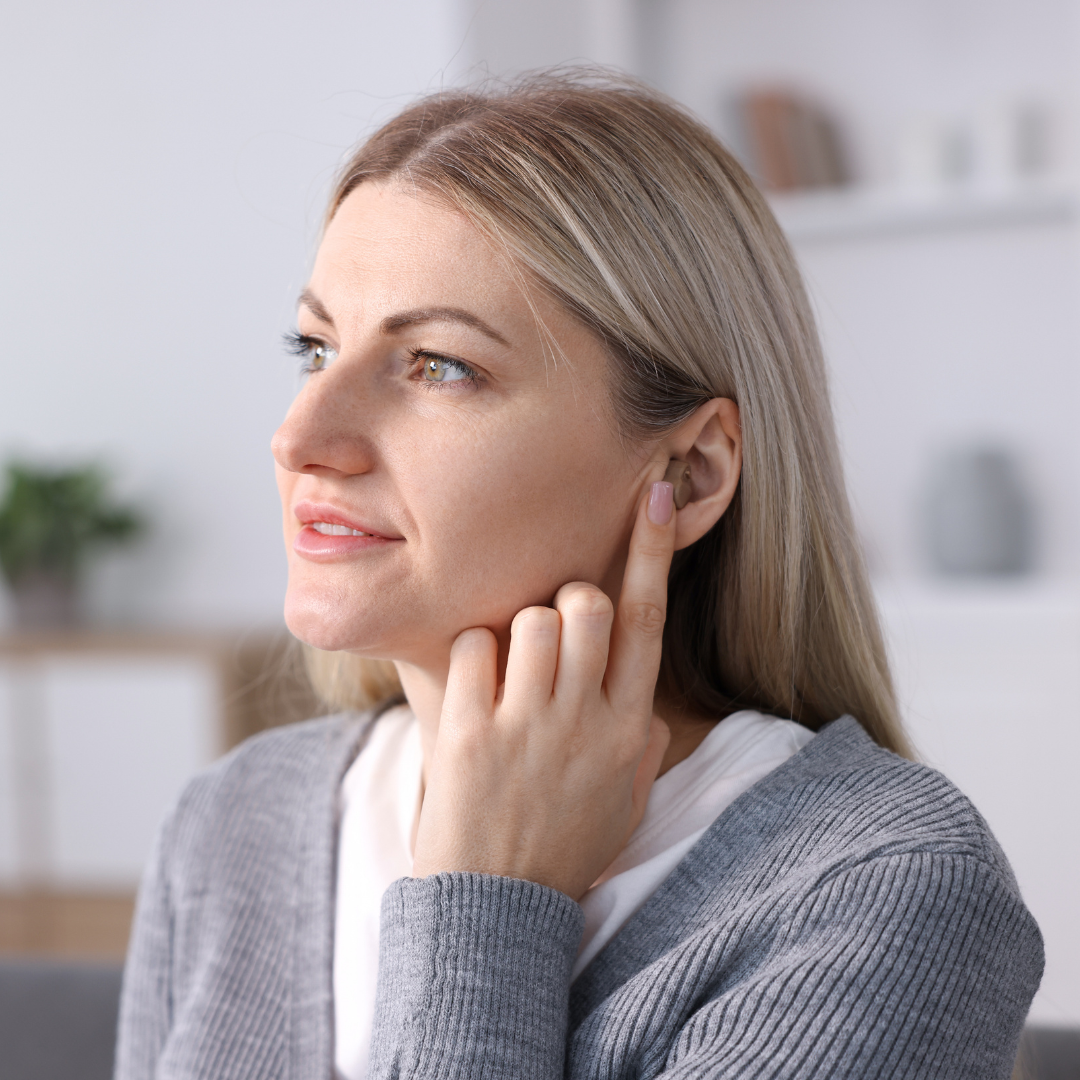
A woman with blonde hair touches her ear with her finger, appearing thoughtful. She is indoors, wearing a gray sweater, with a blurred background featuring shelves and a plant.

What Causes Hearing Aids to Whistle, and How Do You Stop It?

High-frequency squealing from a hearing aid often begins without warning, creating significant distraction and discomfort until appropriately corrected. Our audiology providers can pinpoint whether the feedback sound results from earmold sizing, impacted earwax, volume settings, worn-out parts, or an internal malfunction. Discover what produces hearing aid feedback and which home-care techniques can resolve simple issues

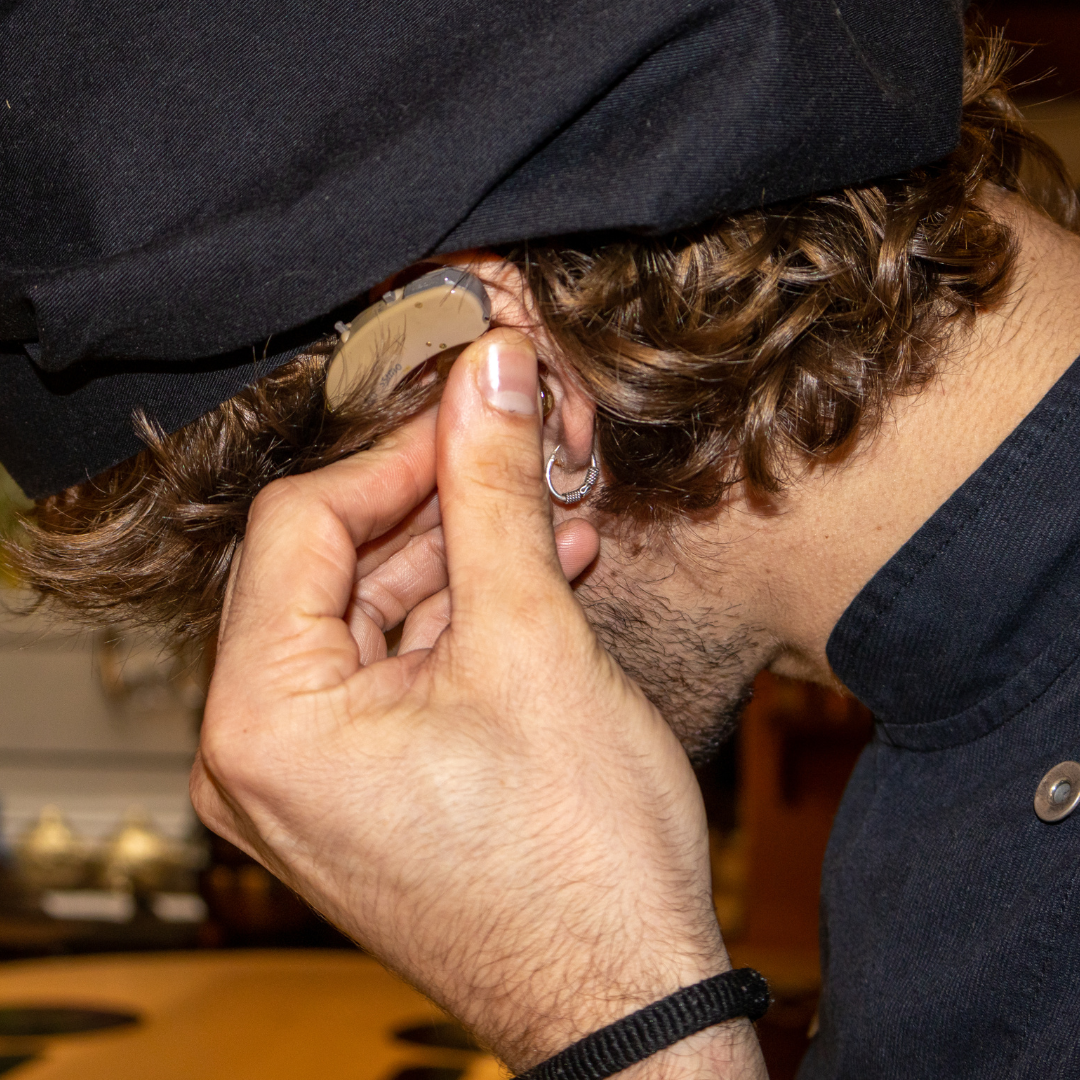
A person with wavy brown hair adjusts a hearing aid behind their ear. They are wearing a black shirt and a black hat.

Why Is Hearing in Loud Dining Rooms Hard? Evidence-Based Tips

Following dinner conversations becomes challenging when high ambient noise interferes with your focus and hearing. Our audiology clinic conducts specialized testing to evaluate hearing in both quiet sound booths and noisy simulations to isolate the underlying cause. Once we determine the cause of difficult hearing, we can help you find personalized solutions. Why Everyday Hearing

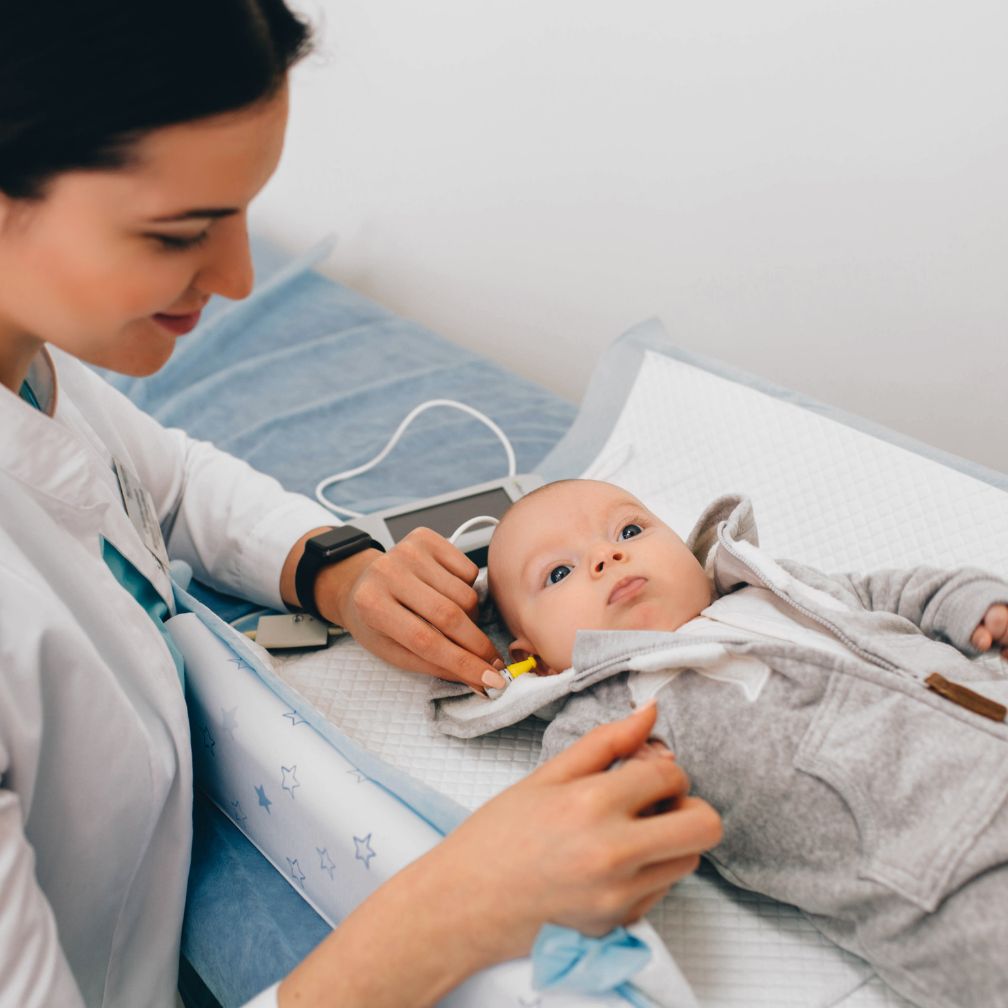
A healthcare worker checks a babys hearing using medical equipment while the baby lies on an examination table.

Infant Hearing Test Failure: Understanding Your Next Steps

For mothers and fathers with newborns, learning that their baby has hearing loss often feels deeply disheartening and sad. Yet the optimistic truth is that via rapid screening and support, young children facing auditory deficits will achieve profound developmental success. In fact, such infants can acquire language, communication skills, and strong connections with the world

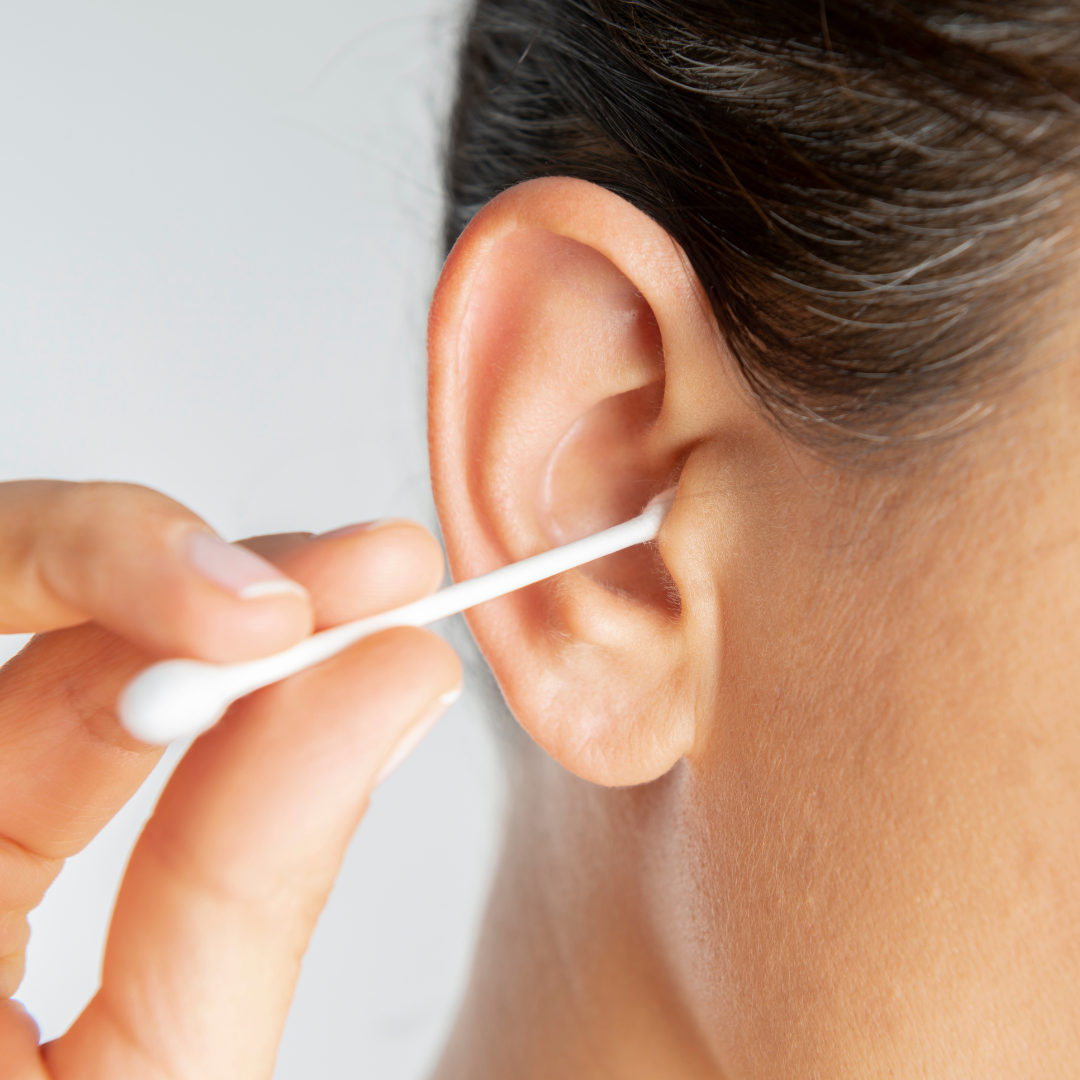
A person cleaning their ear with a cotton swab.

The Dangers of Q-Tips: Safe and Effective Ways to Remove Earwax

While many consider cotton swabs handy cleaning devices, placing them in the ear canal disrupts natural clearing and causes physical damage. We assess whether your earwax demands professional intervention and provide customized care strategies that match your clinical profile. Healthy ears rarely require aggressive manual intervention; nevertheless, when blockage develops, we assist patients in safely

A woman sits on a bed with her eyes closed, touching her forehead as if she has a headache or is feeling unwell. She is covered with a white blanket and looks visibly uncomfortable.

Why Positional Dizziness Happens When Lying Down: The BPPV Guide

Enduring sudden room-spinning sensations when reclining, rolling over, or sitting up can trigger anxiety, especially if the episode starts abruptly. Clinical audiologists offer comprehensive vestibular assessments to verify whether benign paroxysmal positional vertigo (BPPV) is triggering your instability. Knowledgeable clinicians outline the mechanical causes of positional vertigo and apply specialized repositioning protocols to restore daily

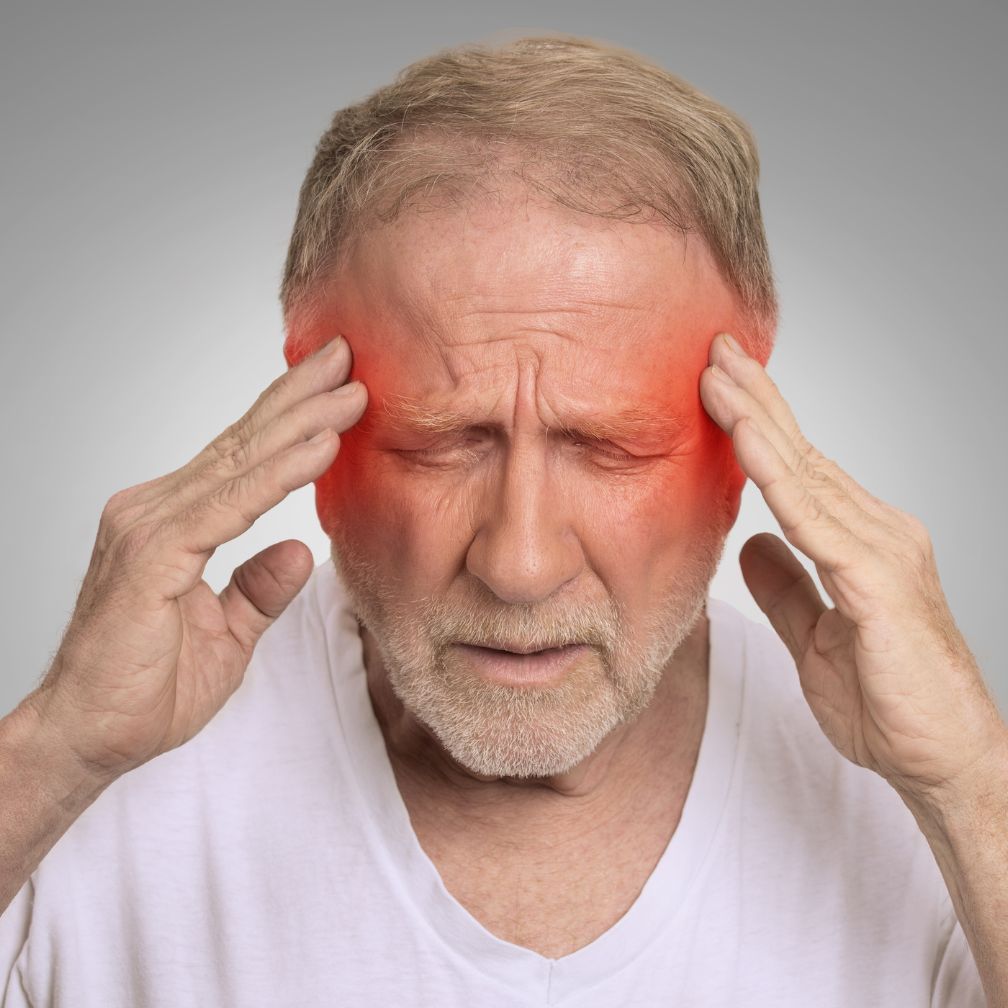
Older man holding his temples with both hands, eyes closed, and a pained expression. Red coloring on his temples indicates head pain or a headache. He is wearing a white shirt against a plain gray background.

Why Your Hearing Aids Could Be Causing Unwanted Headaches

Properly fitted hearing aids are constructed to alleviate your particular hearing loss needs. Irrespective of whether you are new to prescription hearing aids or are a veteran wearer, if your hearing aids produce headaches or lingering aches, a clear fix is available. A properly adjusted hearing aid will fit comfortably in your ear and provide

A woman with glasses adjusts a behind-the-ear hearing aid on her right ear. She wears a smartwatch and a hoop earring. The background is blurred.

Modern Hearing Aids Don’t Look (Or Feel) Like Your Grandparents’ Devices

It is incredibly common for individuals to resist getting hearing instruments simply because they dread a bulky appearance or an uncomfortable fit. And that’s completely understandable! In various scenarios, patients expressed fear that wearing an obvious device would cause peers to omit them from casual conversations due to perceived listening limitations. For many people, this