
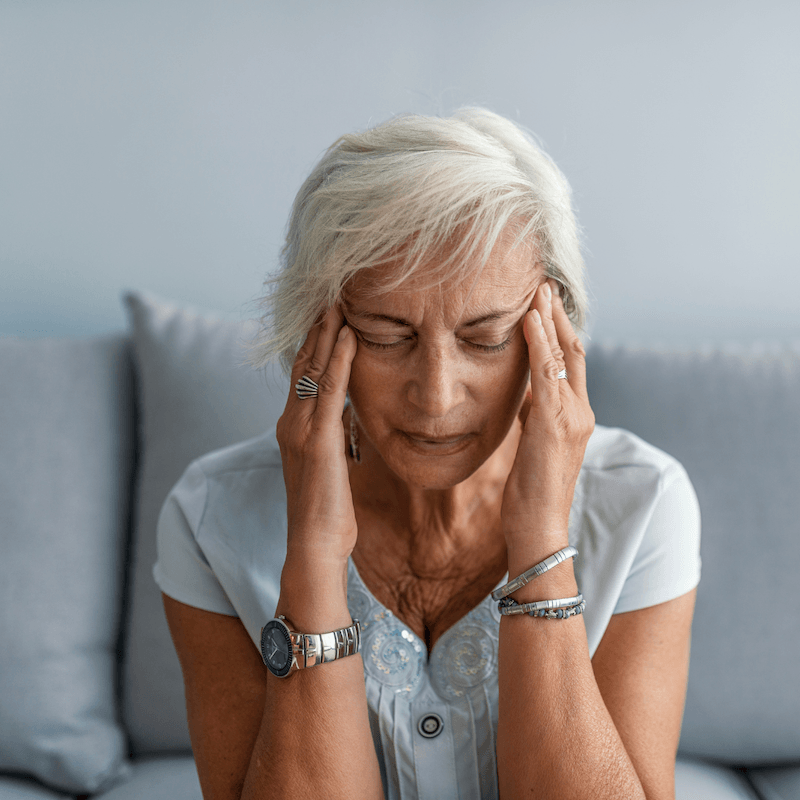
Classic head pain is not present in every migraine variant; specifically, a vestibular migraine disrupts vestibular balance, motion tolerance, and spatial navigation. We provide specialized assessments for recurring vertigo to determine if a vestibular migraine or a competing vestibular disorder is responsible. To achieve successful migraine treatment, patients must understand their symptom patterns and report them accurately to their medical provider.
Differentiating Vestibular Migraine From Classic Migraine Attacks
Vestibular migraine and typical migraine are part of the same neurological disease spectrum, but their most noticeable symptoms differ. Standard migraine attacks frequently involve moderate or severe head pain described as unilateral, pulsating, and exacerbated by standard exertion. Associated features like nausea, pronounced light and sound sensitivity, and visual aura commonly accompany standard head pain.
A vestibular migraine primarily manifests as true vertigo, disequilibrium, balance dysfunction, and severe motion sensitivity. Headache may occur, but it is not required during every vestibular episode. Clinical episodes frequently provoke an illusion of environmental rotation, motion-provoked unsteadiness, and visual distress in high-stimulus settings.
Clinically documented vestibular episodes usually persist for a duration between five minutes and 72 hours. Because attack characteristics can change over time, recognizing a migraine etiology is often harder than diagnosing recurring headaches.
Underlying Causes and Triggers of Vestibular Migraines
Vestibular migraine does not arise from a single isolated health condition. This balance condition appears to reflect shared neurological circuits that modulate migraine signals and vestibular equilibrium data. Genetic predisposition to migraines combined with a documented history of motion sensitivity markedly heightens susceptibility.
Episodes may be triggered by:
- Inconsistent sleep schedules, insomnia, or poor sleep hygiene
- Skipping scheduled meals or experiencing acute dehydration
- Acute psychological stress or the physiological let-down phase following stress
- Menstrual cycle fluctuations or other physiological endocrine changes
- Exposure to bright lights, strobe effects, or visually intricate environments
- Strenuous physical motion, extended travel, and rapid visual screen scrolling
- Ingestion of alcoholic beverages, artificial sweeteners, or patient-specific dietary triggers
- Barometric pressure shifts, rapid weather transitions, or multisensory overload
What Are the Symptoms of Vestibular vs. Regular Migraines?
While standard migraine episodes are widely identified by severe headache, systemic symptoms reach far beyond cephalalgia. Associated symptoms can include gastrointestinal distress, vomiting, visual aura, systemic exhaustion, brain fog, neck pain, and hyperacusis or photophobia.
Documented manifestations of vestibular migraine include:
- True rotational vertigo or generalized non-rotational movement illusions
- Marked balance deficits, physical clumsiness, or postural instability
- Dizziness triggered or aggravated by rapid head turns or tilting
- Motion-induced nausea or severe motion sickness
- Visual-vestibular mismatch when navigating crowded shopping aisles, moving traffic, or patterned visual fields
- Subjective sensations of standing on a rolling boat deck, floating, vertical tilting, or lateral pulling
- Acute sensitivity to daylight, artificial lighting, loud acoustic sounds, and complex visual environments
- Sensations of internal head fullness, tight cranial pressure, or full-blown migraine cephalalgia
- Temporary ear pressure, fullness, or ringing
The pattern, duration, and triggers help distinguish vestibular migraine from other causes. Sudden dizziness that coincides with motor weakness, limb numbness, difficulty articulating speech, double vision, syncope, or inability to stand requires immediate emergency assessment.
Can a Vestibular and Regular Migraine Happen at the Same Time?
Yes, they can. Vertigo and acute migraine cephalalgia can manifest simultaneously during a single attack. Vertigo can herald the onset of headache, accompany active head pain, persist after the pain subsides, or present during an isolated, headache-free attack. Some people alternate between headache-dominant and balance-dominant attacks over months or years.
A balance-related flare-up does not need to incorporate a headache to stem from underlying migraine pathophysiology. Recording daily symptoms in a log can uncover clinical links and triggers that are difficult to recall in retrospect. Record the timing and duration of dizziness, headache features, sensory sensitivity, menstrual cycle, sleep, meals, possible triggers, medications, and response to treatment. Providing this detailed history ensures that your audiological and ENT assessment remains highly accurate.
Clinical Diagnostic Procedures for Vestibular Migraine
A definitive diagnosis cannot be established through a single blood draw, MRI scan, or individual vestibular balance test. Establishing a diagnosis starts with documenting your subjective episode descriptions alongside your history of migraine with or without aura. International diagnostic criteria standardly require at least five moderate or severe vestibular episodes lasting between five minutes and 72 hours, with classic migraine symptoms during at least 50% of attacks.
Our team carries out comprehensive neurological evaluations, ocular motor exams, ear assessments, diagnostic hearing tests, and vestibular function studies. Based on your presenting symptoms, clinical testing may involve diagnostic audiometry, Dix-Hallpike positional testing, vestibular function studies, or MRI imaging. Specialized diagnostics enable us to rule out other inner ear pathologies capable of producing similar balance symptoms. Vestibular migraine is diagnosed only when the pattern fits, and another condition does not better explain the symptoms.
Clinical Management and Treatment Options for Vestibular Migraines
Therapeutic strategies are carefully customized based on episode frequency, attack intensity, presence of cephalalgia, systemic medical comorbidities, and pharmacological side effects. A large majority of patients achieve optimal disease control by pairing daily preventive therapies with targeted acute abortive strategies.
We help build a customized treatment plan, which may include:
- Establishing structured daily routines for sleep, timely meals, fluid intake, and low-impact cardiovascular exercise
- Isolating and minimizing contact with consistent environmental or dietary triggers
- Implementing evidence-based stress-reduction protocols, biofeedback, or behavioral therapies
- Medication for nausea or other acute symptoms
- Conservative, short-term application of prescription vestibular suppressants for acute episodes
- Prophylactic regimens involving beta-blockers, calcium channel blockers, topiramate, tricyclic antidepressants, or CGRP inhibitors
- Targeted vestibular physical therapy to retrain the central balance system and reduce chronic motion sensitivity
Over-reliance on vestibular suppressants is discouraged because frequent administration causes sedation and impedes central neurological adaptation. Pharmacological choices must be customized directly with our clinical team rather than adopting another individual’s migraine regimen. Patient recovery regularly requires incremental dosage adjustments and ongoing monitoring of treatment response over several months.
Schedule an ENT and Balance Evaluation for Vestibular Migraine
Should frequent vertigo episodes, persistent unsteadiness, or motion intolerance interfere with your life, book an appointment with our specialists. We begin your evaluation with a detailed review of migraine patterns, systemic health, and recovery targets, conducting specialized tests to distinguish vestibular migraine from BPPV, Ménière’s disease, and related vestibular issues. Get in touch with our ENT clinic now to request your vestibular migraine appointment.